How Turnovers Mess Up a Solid Betting Read
In the world of college football and basketball betting, you can spend hours poring over film, crunching stats, and checking every angle. Yet, despite your prep, sometimes the game swings wildly from your expectations. One major culprit? Turnover luck. These sudden, unpredictable events don't just affect final scores — they can throw your entire betting read off the rails.
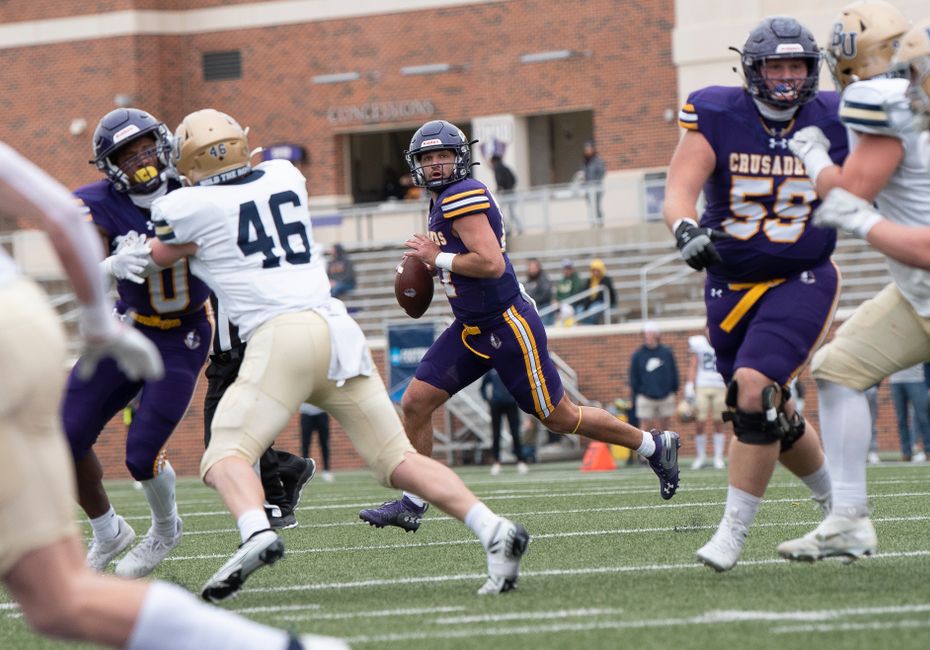
In this post, we'll unpack how turnovers influence spread outcome, totals, and how they impact both the final score and your perception of the matchup. We'll reference insights from ESPN’s sports betting section and the chatter online, where bettors hype these plays but often misunderstand their true effects. Plus, we’ll dive into some strategies for keeping turnovers in perspective, including how to separate real “film-stat thinking” from random noise.
Turnovers: More Than Just a Stat
Turnovers are an obvious source of frustration for coaches and players, but for bettors, their impact is a double-edged sword. A couple of forced fumbles or intercepted passes can flip a game’s momentum dramatically, but that doesn't always translate to the result you expect from pregame analysis.
Regarding betting, turnovers affect:
- Final score
- Point spread outcomes
- Totals (over/under)
- Game flow and pace, especially in basketball
To really make sense of turnovers in betting, it’s important to think beyond the final score and dig into game variance — the inherent randomness in any athletic contest. Remember, even teams that consistently protect the ball can have bad luck days, and vice versa.
Final Score vs. Betting Outcomes: A Crucial Distinction
Fans and casual bettors often get tripped up by equating final scores with bet results. Here’s the deal: a team can win the game but lose against the spread, or lose the game but cover the spread due to turnovers skewing the margin.
Scenario Final Score Result Betting Outcome How Turnovers Factor Team A scores late turnover TD Team A wins by 10 Team B covers the spread (-12) The spread was -12 but the turnover inflated margin; earlier, Team B led closely Game marked by multiple turnovers Close game, Team B wins by 4 Team A covers the spread (+6) Turnovers led to short fields and points that bloat the margin temporarily Basketball game with high turnover count Final score hits 165 points Under 170 total hits Turnovers slowed pace, limiting shot attempts despite scoring runsSuch scenarios highlight why you can’t just glance at the box score and chalk your bet win or loss up to team ability alone. Turnovers inject variance — meaning sometimes they create lucky breaks or brutal breaks that distort the pure skills matchup.
What Turnover Luck Means for Point Spreads
When setting or reading lines, sportsbooks account for average team turnover rates. But, the problem for bettors is the random clusters of turnovers that happen in-game. Linemakers can’t predict which team will lose the ball unexpectedly multiple times in one quarter.
Consider:
- Late-game turnovers: A forced fumble or interception in the final minutes can mean the difference between covering the spread and not, even if the pregame matchup analysis favored a certain outcome.
- Garbage time turnovers: Some late giveaways in a blowout affect final stats but not line outcome meaningfully.
- Reversed momentum: Turnovers can flip momentum, leading to unexpected score swings and point totals that deviate from the expected pace.
ESPN’s sports betting section regularly highlights how situational turnover statistics matter — like how well a team protects the ball in the red zone, or what its average turnover margin per quarter is. But even those trends can’t always overcome the in-game randomness, which is why savvy bettors track line movement and check these shifts about 30 minutes before kickoff to see if public money reacts to emerging info like injury or turnover tendencies.
Basketball Pace, Totals, and Turnovers
Turnovers in NCAA basketball play a different but equally disruptive role for betting totals.
- High turnover games typically reduce possessions per team, slowing down the pace.
- Lower pace equals fewer shot attempts, which usually drives the total points down.
- Unexpected turnovers late can reduce scoring runs and stall momentum, causing the number to close lower than initially opened.
To track these effects, bettors often consult tempo stats and recent pace averages but must also factor in matchup quirks: a team like Texas Tech, known for intense pressure defense, might heartlandcollegesports force turnovers that slow opponent scoring but cause erratic shot clock usage leading to wild swings in scoring pace.
Social media platforms are buzzing with “live betting” updates, but they often sensationalize turnover events without context, promoting viral picks as facts instead of conditioning bettors to account for the chaotic influence of turnovers on totals.
Matchup Research: The Benefits and Limits of Film-Stat Thinking
Thorough bettors use film and stats to gauge how turnovers affect a matchup before kickoff. This includes:
- Analyzing how a team’s offensive line handles pressure to anticipate forced fumbles.
- Examining defensive backs’ interception history on similar schemes.
- Identifying coaches who emphasize ball security in key moments.
Yet even the best film studies can’t perfectly predict when turnovers will happen, or how “lucky” a team will be. This unpredictability explains huge swings in spread outcome despite solid research. Sometimes what looks like a great edge becomes a losing bet simply because turnovers create unusual game variance.
Here’s the key: treat turnover data as one variable among many, not the smoking gun. And always check how odds respond to injury updates, weather conditions (wind and rain can spur turnovers outdoors), and late snap analysis on sportsbooks and ESPN’s betting section, which compile real-time stats for a clearer picture.
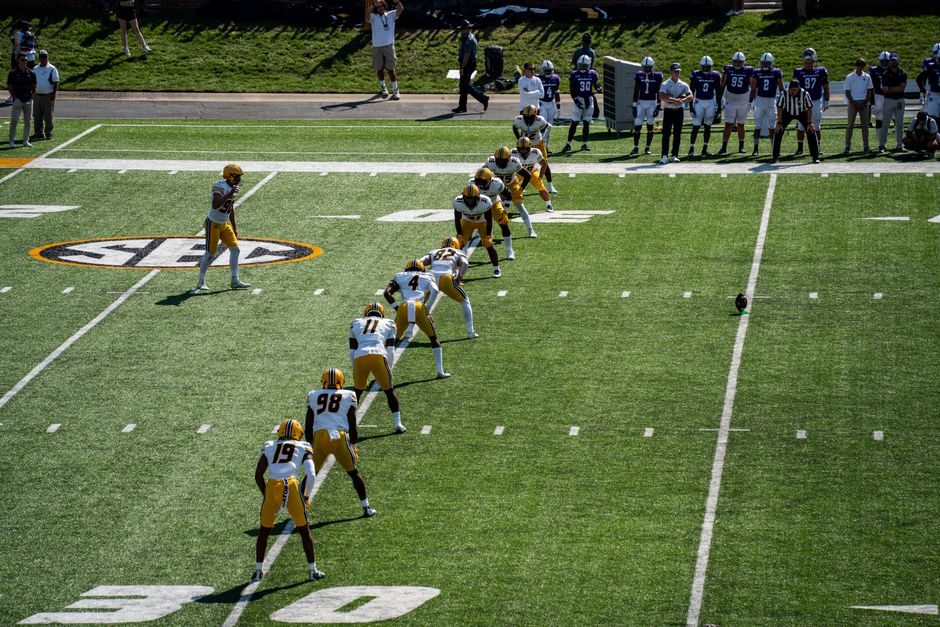
Practical Tips for Bettors Handling Turnover Variance
- Don’t chase forced turnover narratives. Just because a team got bailed out by a late interception last game doesn’t guarantee it again.
- Monitor line movement close to game time. Sharp money reacts to known turnover tendencies and injury news, and that often shows in odds shifts near kickoff.
- Keep notes on weather-driven turnover games. Windy football games often inflate turnovers, which impacts totals as well as spreads.
- Use turnovers to assess pace but cross-check with tempo data. In basketball, a high turnover matchup doesn’t always mean under the total if the teams run at warp speed.
- Avoid betting with your heart. Fans rooted for their team to win it all don’t always respect turnover luck’s massive role in game-to-game variance.
Closing Thoughts
Turnover luck is like that invisible hand messing with your well-crafted betting read. It’s unavoidable but manageable if you understand how it fits into the bigger picture of game variance and matchup nuances.
Use ESPN’s sports betting tools, keep a close eye on line movement especially 30 minutes before kickoff, pay attention to unexpected weather scenarios, but most importantly, remember that turnovers can steal your cover or gift it to you — sometimes regardless of how good your research is.
Bet smart, don’t get baited by viral picks hyping one or two highlight turnovers, and above all, respect the chaos turnovers bring to every Big 12 showdown.