Retro Sweets Slot – Why Do Pixel Graphics Feel Nostalgic?
Pixel art style has made a remarkable comeback in the world of iGaming, and one recent example capturing attention is the Retro Sweets slot. Developed for platforms like Mr Q, this game embraces an old video game look that resonates deeply with players who grew up during the golden era of arcade games. But beyond mere aesthetics, why do pixel graphics evoke such strong feelings of nostalgia? And how does the Retro Sweets slot leverage this to create a compelling gaming experience?
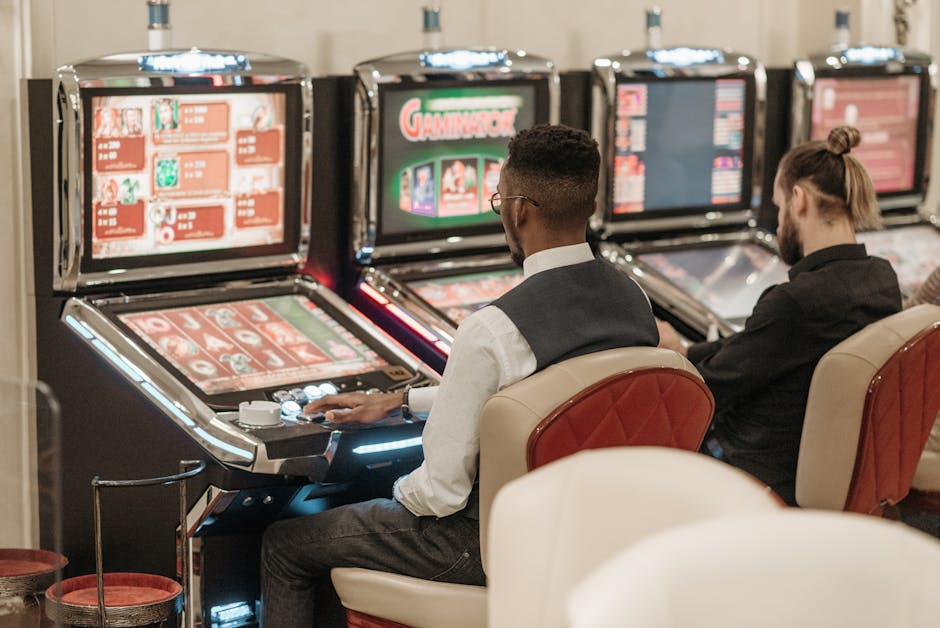
The Legacy of Fruit Symbols: A UI Language Carved in History
When you boot up the Retro Sweets slot the first thing that strikes you are the vivid fruit symbols: cherries, lemons, oranges, and plums. To many, these fruits are an instantly recognizable UI language handed down from classic slot machines and vintage video games. Encyclopaedia Britannica notes that these symbols have been a staple since the early 20th century, originally used in mechanical slot machines to replace money payoffs with fruit-flavored chewing gums and candies (source: britannica.com).
This historical legacy creates an instant mental shortcut. Players don't need lengthy explanations about payouts or special features—these symbols are part of a collective memory. They function as visual anchors, providing clarity and reducing cognitive load, which is crucial when players want to quickly recognize winning lines or game mechanics under pressure.
Instant Recognition and Clarity Through Pixel Art
Pixel art thrives on simplicity and clarity. Each symbol in Retro Sweets is deliberately styled with blocky, bold pixels that harken back to old-school 8-bit and 16-bit games. This approach does more than just replicate vintage looks — it enhances the player's ability to discern symbols at a glance, even on smaller mobile screens increasingly popular on platforms like Mr Q.
This double effect of nostalgia and UI efficiency is what I like to call “double nostalgia.” Not only do players connect emotionally through a retro aesthetic, but the pixel art also serves practical gameplay purposes. The immediate symbol recognition speeds up the decision-making process, which is appreciated by the busy modern player who values a smooth, entertaining experience without ambiguity.
Modern Candy and Snack World-Building
What elevates Retro Sweets beyond a mere throwback is how it integrates the pixel art style with a fresh, thematic take on the modern candy and snack world. Unlike other retro slots that stay confined within strict vintage boundaries, Retro Sweets builds a playful, sugary universe where pixelated candies come alive with quirky animations and sound effects.
Colorful lollipops, wrapped sweets, chocolate bars, and gummy bears join the classic fruit symbols, creating a vibrant palette that feels both old and new simultaneously. This thematic expansion invites players to explore a “world” where nostalgia is flavorfully enhanced by the very nature of modern snacks, forming a neat alignment between theme and mechanics.
Theme-Mechanic Alignment: Why It Matters
Many cluster pays slots slot games slap a retro theme on top without ensuring the gameplay meshes with the style. Retro Sweets avoids this pitfall by syncing the pixel art's simplicity with game mechanics inspired by vintage arcade genres — think straightforward paylines, familiar bonus rounds, and unpretentious soundscapes.
The alignment is purposeful. The pixel art style sets expectations for easy-to-understand gameplay. Promises of a “complex” or “innovative” mechanic would clash with this, breaking immersion and causing player frustration. By keeping the mechanics aligned with the nostalgic visual and audio cues, Retro Sweets delivers a cohesive experience that feels authentic and satisfying.
Photo Credit and Visual Inspiration
The visual essence of pixel art owes much to real-world images that inspire its colour palettes and design shapes. For those curious about the look and feel of vintage candy and fruity aesthetics, photographers like Wesley Tingey offer vibrant images through platforms such as Unsplash that capture natural colour vibrancy and texture — elements pixel art intentionally simplifies but does not ignore.
Such photographs help game designers balance pixel accuracy with appealing hues, making Retro Sweets not just a nod to old pixels but a sweet marriage between photography inspiration and digital art constraints.
Why Pixel Art Still Matters in Modern Slots
There are five practical reasons the pixel art style remains impactful within iGaming:
- Device Compatibility: Pixel art's low graphical complexity ensures fast load times and smooth rendering on mobile devices.
- Brand Differentiation: Amidst high-definition slots teeming with effects, pixel art slots stand out visually.
- Accessibility: Simple shapes and colours help colour-blind players differentiate symbols more easily.
- Emotionally Resonant: Pixelated designs tap into players’ childhood memories, invoking positive feelings.
- Cost Efficiency: From a development standpoint, pixel art graphics require fewer resources to produce and test.
For a busy player, these qualities mean Retro Sweets delivers quick, enjoyable sessions without unnecessary distraction or delay. This is no small thing in a marketplace where attention spans ebb and flow rapidly.
Conclusion
In summary, the Retro paylines vs pay anywhere Sweets slot offers more than just a cute pixelated candy theme. By leveraging the historical legacy of fruit symbols as a UI language, ensuring instant recognition through pixel art’s clarity, and weaving modern candy world-building into the design, it achieves a rare double nostalgia effect. Its thoughtful alignment of theme and mechanics proves that pixel graphics can still pack a punch in contemporary slot gaming.

If you appreciate slots that respect player intelligence and deliver authentic retro vibes without resorting to buzzwords or gimmicks, Retro Sweets is likely to charm you. You’ll find it accessible on platforms like Mr Q, where nostalgic meets practical in a sweet, pixelated package.