Why Do Slot Machines Need Locks and Maintenance Access?
Slot machines have been a cornerstone of casinos and gaming halls for over a century. From the iconic mechanical reels to today’s touchscreen video slots, these machines have evolved dramatically. Yet, one aspect has remained constant: the necessity for security locks and accessible service panels. Understanding why these features are crucial requires a dive into how slot machines are built, how their size and shape are determined, and how maintenance crews keep them running smoothly.
Mechanical Constraints Shaped Early Slot Cabinet Size
Long before smartphones and desktop monitors existed, slot machines were primarily mechanical devices. Early machines featured spinning reels viewed through a small window in a wooden or metal cabinet. These cabinets were shaped and sized based on the mechanical components inside — gears, levers, coin hoppers, and payout trays — which required ample space and sturdy enclosures.
Unlike the sleek digital devices we use daily, early slot machines had to house complex internal parts that couldn't be miniaturized easily. This is why the cabinet size was often larger than just the reel window you'd see as a player. The visible "game area" was just a small fraction of the total footprint.
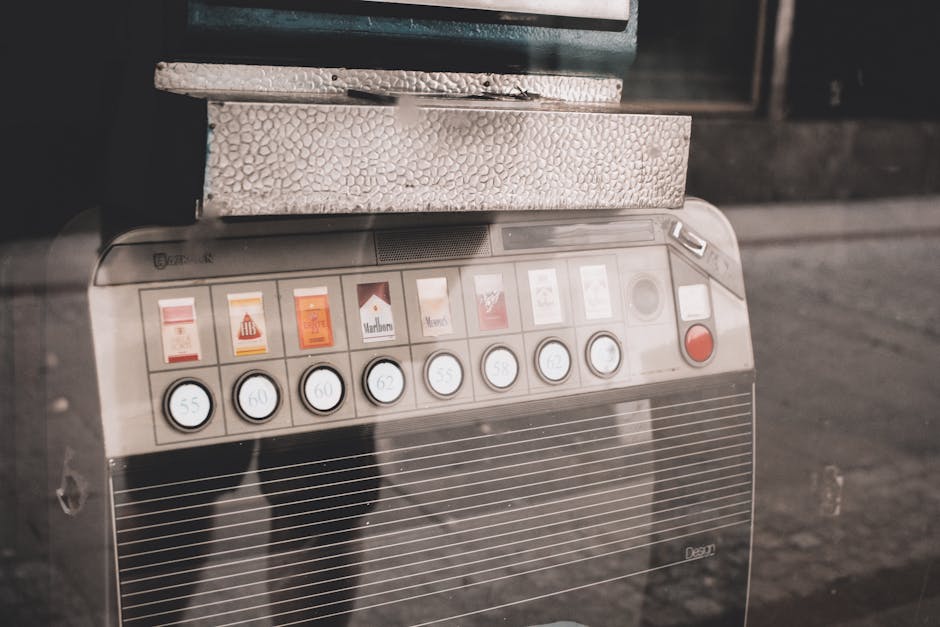
- Reel Windows: Typically 8 to 10 inches wide, enough to display three spinning reels clearly.
- Cabinet Footprint: Extended beyond the reel window to ensure space for mechanical linkages and coin mechanisms.
For scale, imagine a smartphone screen (about 6–7 inches diagonally) versus a desktop monitor (often 20+ inches diagonally). Early slot machines had a “screen” (the reel window) closer to your smartphone size, but the cabinet was more like a large desktop monitor — bulky, deep, and designed for durability rather than compactness.
The Role of Locks and Why They Matter
Given the substantial amount of cash that flows into slot machines daily, security locks are not just a convenience — they are a necessity. The locks protect the sensitive internal components and the cash vault from theft or tampering. Here's why they remain relevant:
- Theft Prevention: Locks deter unauthorized access to coin boxes or cash hoppers inside the machine.
- Protecting Internal Wiring: Slot machines have complex wiring that connects payout mechanisms, sensors, and displays. Unauthorized access could lead to damage or cheating attempts.
- Regulatory Compliance: Casinos like MrQ Casino and governing bodies ensure that slot machines meet strict security standards. Locked cabinets help satisfy these regulations.
By securing physical access through robust locks, casinos can reduce downtime and protect their revenue streams. This is particularly important with systems increasingly integrated into online casino ecosystems, where both physical and digital security intersect.
Internal Wiring Access and Service Panels: Maintenance Made Practical
Besides security, slot machines are complex electrical devices requiring regular upkeep. Service panels provide technicians with the ability to:
- Access internal wiring for troubleshooting faults.
- Replace malfunctioning components like lights, buttons, or circuit boards.
- Perform firmware updates or reconfiguration work.
Without properly designed access points, these tasks become difficult and time-consuming — leading to longer downtime and a poor player experience. Additionally, service panels must be designed cleverly so that they can be opened only by authorized personnel without jeopardizing overall cabinet integrity.

For example, the California Office of Historic Preservation often works with vintage slot collections. These machines may require specialized maintenance access that preserves historic aesthetics while ensuring technicians can reach internal parts safely.
Video Slots: From Bigger Cabinets to Compact Mobile Experiences
With the advent of video slot machines in the 1980s and ‘90s, cabinet sizes initially grew larger. Video slots added CRT or later LCD displays, speakers, and enhanced lighting — all of which required space. Therefore, cabinets often expanded beyond the traditional footprint.
However, as technology advanced, particularly with the rise of mobile devices, slot games evolved again. Developers optimized game screens to fit smaller, handheld devices like smartphones and tablets, pushing for more compact game screens with different aspect ratios.
That’s where a key point about diagonal measurements and aspect ratios comes into play:
- Diagonal Inches: Often cited for screens, this measurement tells you the length from one corner to the opposite corner of the display.
- Aspect Ratio: This is the proportional relationship between the width and height of the screen.
Diagonal inches alone don’t tell the whole story. For instance, a 19-inch screen with a 4:3 aspect ratio looks very different in shape and total viewable area than a 19-inch screen with a 16:9 ratio. Early video slots used 4:3 or similar ratios, while mobile devices tend toward widescreen formats.
In the casino environment, machines may have larger diagonal screens but still possess a bulky cabinet to house speakers, cooling systems, payment systems, and secure storage. Meanwhile, mobile slots have no physical cabinet at all — just a touchscreen that fits in your celebmeadow hand. This shift underscores how the “cabinet footprint” concept remains relevant in physical gaming spaces but disappears in mobile gaming.
Why Understanding Cabinet Footprint Is Important
It’s tempting to think a slot machine is “just a screen,” especially in an era dominated by digital interfaces. But thinking only about screen size or diagonal inches isn’t enough to understand the practical realities:
- Physical machines must balance player visibility, mechanical or electronic constraints, security, and maintenance access.
- The footprint affects casino floor planning, player comfort, and machine servicing.
- Security locks and service panels are integral to this balance — they influence cabinet design, durability, and operational efficiency.
When you consider these practical features, the design of a slot machine emerges as a complex engineering and operational challenge, not just a display choice.
Summary Table: Slot Machine Design Challenges and Solutions
Design Aspect Challenge How Locks & Access Help Security Prevent theft and tampering with cash or components Secure locks restrict access to cashboxes and wiring Maintenance Enable quick, safe repairs and upgrades Service panels provide authorized access to internal systems Cabinet Size Balance between visible screen and internal components Design incorporates access points without enlarging footprint unnecessarily Technology Evolution Adapting from mechanical parts to video and touchscreen Locks and panels evolve with new components but remain essentialConclusion: More Than Just a Display
Slot machines are carefully designed devices where security and maintenance drive much of the physical cabinet form. While modern players might interact with these games via a smartphone or desktop monitor, the machines on casino floors retain security locks and maintenance access because of practical needs established over decades.
Whether you’re admiring a vintage slot preserved by the California Office of Historic Preservation or playing a game at MrQ Casino, remember the unseen efforts behind every machine. Locks and service panels might be hidden or taken for granted, but they ensure a safe, fair, and enjoyable gaming experience.